(+351) 920107627


Processionary caterpillars, known scientifically as Thaumetopoea pityocampa, are fascinating creatures at first glance, but behind their harmless appearance lurks a potentially lethal danger for our four-legged friends.
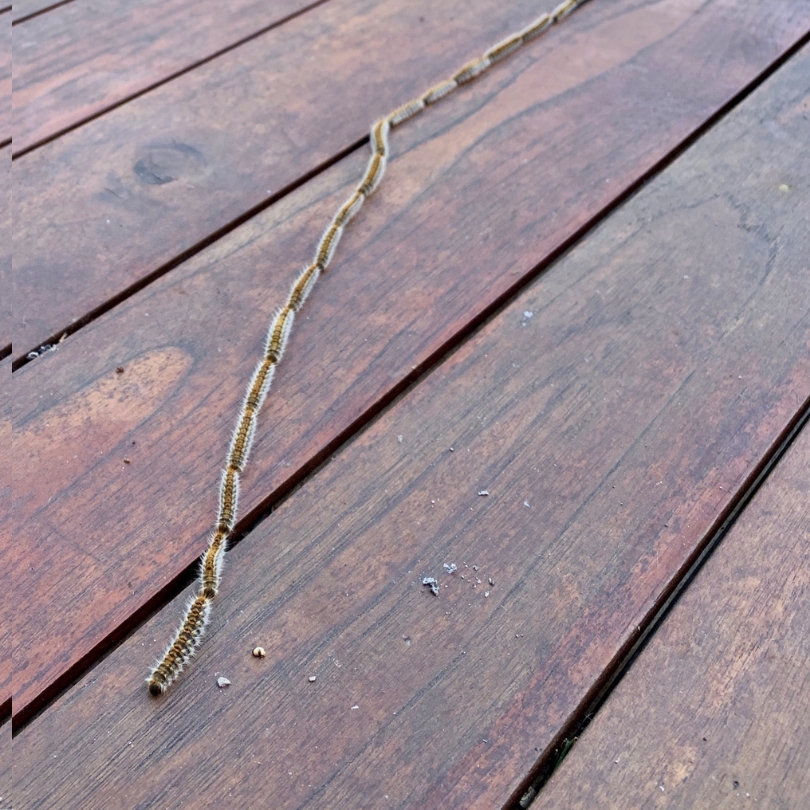
Originally from southern Europe, these creatures have a peculiar life cycle that can pose a serious risk to pets, especially cats and dogs.

The life cycle of the processionary caterpillar begins when the adult female moths lay their eggs at the ends of tree branches, usually pine trees. After a few weeks, the caterpillars emerge from these eggs, feeding on leaves and rapidly growing in size. During the feeding period, these urticant creatures weave characteristic webs in the shape of nests, where they take shelter during the coldest months of the year.
As spring approaches, the now mature caterpillars leave their nests in search of soft soil to burrow in and begin the pupal stage. After a few weeks in this phase, the adult moths emerge, restarting the cycle by laying their eggs in the surrounding trees.
Although the processionary caterpillar may go unnoticed by many, its presence poses a serious risk to pets. The hair that covers their bodies contains a toxic substance that can cause serious allergic reactions and even death in dogs and cats.

The animals, often curious, can be attracted to the caterpillars’ nests or even to the creatures themselves while they are on the ground. By sniffing or licking the caterpillars, their faces and tongues can come into contact with the urticant bristles, triggering a series of adverse symptoms. These include swelling, irritation, vomiting, difficulty breathing, necrosis and, in extreme cases, anaphylactic shock.

Here are some preventative measures that can help you avoid contact with these creatures effectively:
In the event of suspected exposure to the processionary caterpillar, it is essential to seek veterinary assistance immediately. Symptoms can develop rapidly and require urgent treatment to avoid serious complications.
If you find processionary caterpillars on the ground, it is important to approach the situation with extreme caution because of the danger they pose due to their stinging bristles.

The ideal is to avoid close proximity as much as possible, but in case that’s not possible, here are some guidelines on how to handle them safely:

In short, although the life cycle of the processionary caterpillar may seem like just an inofensive critter, its potential to cause harm to pets is a serious concern. Staying alert to the presence of these creatures and adopting appropriate preventive measures are essential steps to ensure the safety and well-being of our furry friends.
By following these safe handling guidelines, you can deal with processionary caterpillars effectively, protecting yourself and others from possible harm caused by the creatures’ stinging bristles.
If you have any questions about this or other topics, please contact us.
Remember, we’re coming to you!